How to Read a Hot Sauce Label Like a Pro
You wouldn’t buy a car without looking under the hood. So why are we out here grabbing hot sauce bottles based on nothing but cool label art and a name that sounds dangerous? The ingredient label is the most honest part of any bottle. It can’t lie to you. And once you know how to read it, you’ll never look at a hot sauce the same way again.
This isn’t about scaring you away from certain ingredients or turning you into one of those people who lectures strangers in the condiment aisle. It’s about understanding what you’re eating, and more importantly, understanding what kind of sauce you’re about to experience before a single drop hits your tongue.
Let’s break it down.
The Order of Ingredients Tells the Whole Story
This is the single most important thing on any food label, and the FDA is the reason it exists. Under federal law (21 CFR 101.4, if you’re feeling spicy about regulations), every ingredient must be listed in descending order of predominance by weight. The ingredient that makes up the largest portion of the product by mass comes first. The ingredient used in the smallest amount comes last.
That means the ingredient list is essentially a recipe laid bare. If vinegar is the first ingredient, you’re holding a vinegar-forward sauce. If peppers are first, you’re getting a pepper-forward sauce. The order doesn’t just hint at what’s inside. It tells you the entire personality of the bottle.
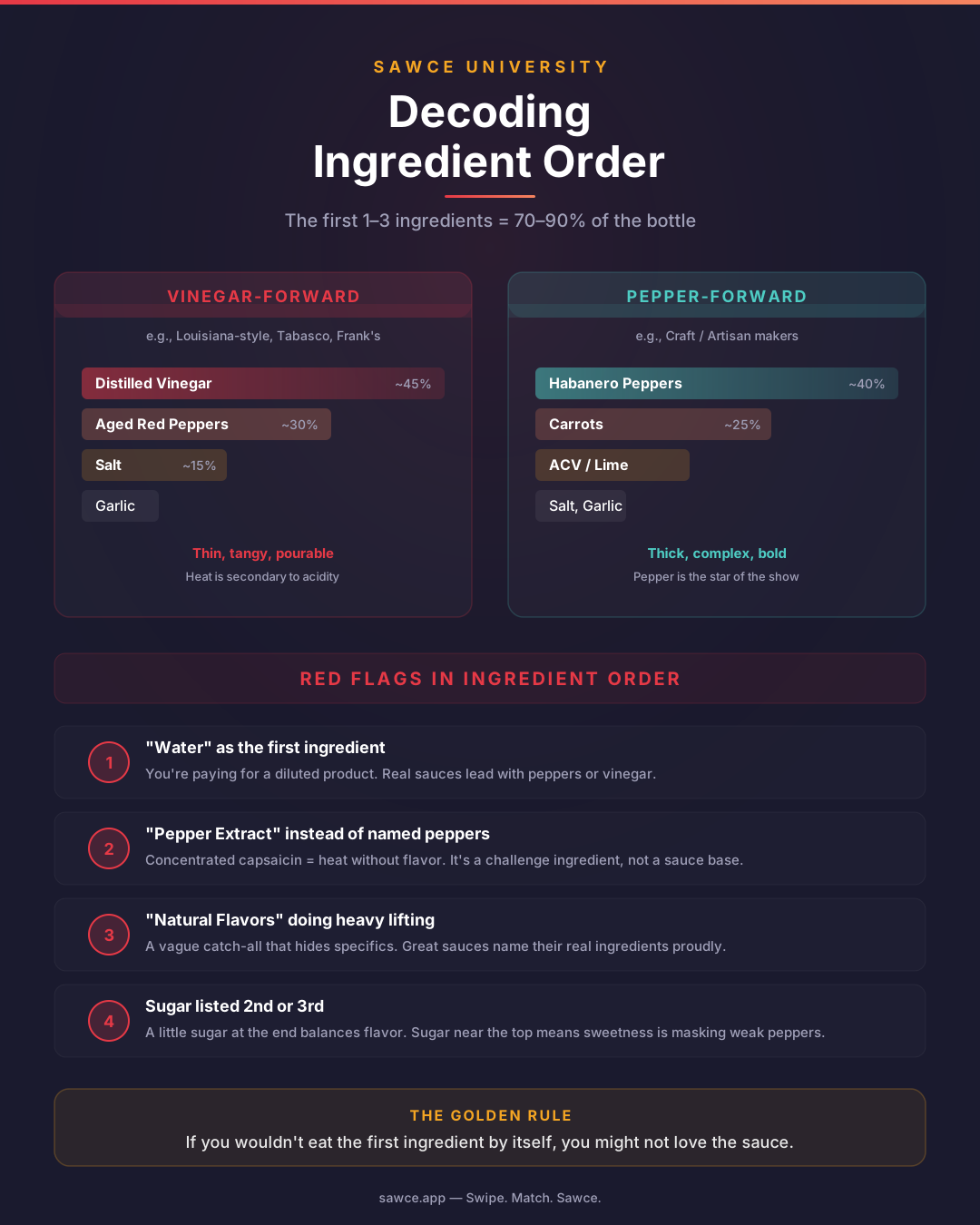
Here’s a real-world example. Pick up a bottle of a classic Louisiana-style sauce, and you’ll probably see: Distilled Vinegar, Aged Red Peppers, Salt. Three ingredients. Vinegar first, which tells you the sauce is going to be thin, tangy, and pourable. The peppers provide the heat and color, and the salt brings balance. Now pick up a craft habanero sauce and you might see: Habanero Peppers, Carrots, Apple Cider Vinegar, Lime Juice, Garlic, Salt. Peppers first. Completely different animal. Thicker, more complex, with the pepper doing the talking instead of the vinegar.
Pro Tip: The first one to three ingredients typically account for 70 to 90% of what’s in the bottle. If you don’t like what’s listed first, you probably won’t love the sauce. It’s that simple.
Red Flags in Ingredient Order
“Water” as the first ingredient. You’re paying for a diluted product. Real sauces lead with peppers or vinegar.
“Pepper extract” instead of named peppers. Concentrated capsaicin equals heat without flavor. It’s a challenge ingredient, not a sauce base.
“Natural flavors” doing heavy lifting. A vague catch-all that hides specifics. Great sauces name their real ingredients proudly.
Sugar listed 2nd or 3rd. A little sugar at the end balances flavor. Sugar near the top means sweetness is masking weak peppers.
The Vinegar Breakdown: It’s Not All the Same
Vinegar is the backbone of most hot sauces. It serves a dual purpose as both a flavor agent and a natural preservative. The acetic acid in vinegar (typically 4 to 7% concentration) lowers the sauce’s pH enough to inhibit the growth of harmful bacteria, including the one nobody wants to think about: Clostridium botulinum, which can’t survive below a pH of 4.6.
But not all vinegars are created equal, and the type of vinegar a maker uses tells you a lot about the sauce’s intended flavor profile.
Distilled White Vinegar
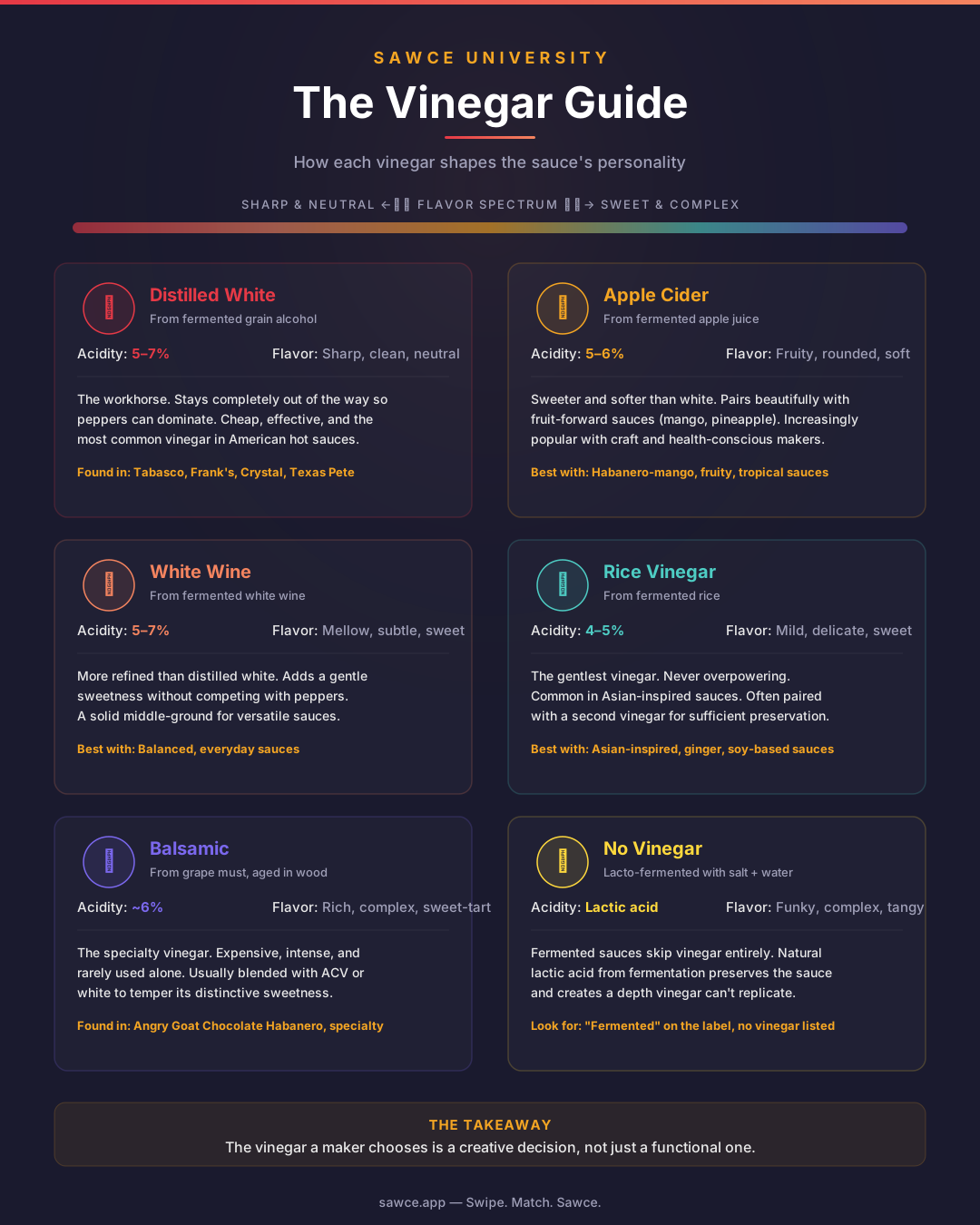
The workhorse. Made from fermented grain alcohol. Clean, sharp, neutral flavor that lets peppers dominate. This is what you’ll see in most American-style hot sauces like Tabasco, Frank’s, and Crystal. It’s cheap, effective, and stays out of the way.
Apple Cider Vinegar
Made from fermented apple juice. Slightly sweeter, fruitier, and softer than white. Pairs beautifully with fruit-forward sauces (mango-habanero, pineapple) and adds a rounder acidity. Increasingly popular with craft makers.
White Wine Vinegar
More mellow and refined than distilled white. Adds a subtle sweetness without competing with the peppers. A solid middle-ground choice for makers who want acidity without that sharp vinegar bite.
Rice Vinegar
The gentlest of the bunch. Mild, slightly sweet, never overpowering. Common in Asian-inspired sauces. Often paired with a second vinegar to ensure enough acidity for preservation.
Balsamic Vinegar
Rich, complex, expensive. Rarely the sole vinegar and usually blended with apple cider vinegar. Adds deep, sweet-tart complexity. Look for it in gourmet or specialty sauces. Angry Goat’s Chocolate Habanero with balsamic is a standout example.
No Vinegar (Fermented)
Some sauces skip vinegar entirely and rely on lacto-fermentation: salt + water + time. The lactic acid produced naturally preserves the sauce and creates a funky, complex tang that vinegar can’t replicate.
What the Vinegar Choice Tells You
- Distilled white = “I want the pepper to be the star.”
- Apple cider = “I’m building a flavor ecosystem.”
- Rice or balsamic = “I’m making something specific and intentional.”
- No vinegar at all = “I fermented this. Trust the process.”
If a label says “acetic acid” instead of naming a vinegar, that’s the same compound. Acetic acid is literally what makes vinegar vinegar. Some manufacturers use it in purified form rather than as a whole vinegar, which gives them more precise control over pH without adding any flavor influence.
Peppers: Named vs. Unnamed vs. Extracted
This is where it gets spicy, in more ways than one. How a label describes its pepper content tells you a lot about the sauce’s approach to heat.
Named Peppers: The Gold Standard
When a label says “Habanero Peppers” or “Aged Cayenne Red Peppers” or “Carolina Reaper Pepper Mash,” you know exactly what’s delivering the heat. Named peppers bring both capsaicin (the heat compound) and flavor: fruity notes from habaneros, smoky complexity from chipotles, bright grassiness from serranos. You’re getting the whole pepper experience.
”Peppers” or “Chili Peppers” (Unnamed)
When the label just says “peppers” without naming the variety, that’s a sign the maker is either using a proprietary blend they don’t want to reveal, or, more commonly, they’re sourcing whatever’s cheapest and available. It’s not necessarily bad, but it’s less transparent. Craft makers almost always name their peppers because they’re proud of them.
Pepper Extract / Capsaicin Extract
This is a completely different product. Pepper extract is concentrated capsaicin isolated from peppers in liquid form. It delivers raw, brutal heat with virtually no flavor. Sauces using extract can claim astronomical Scoville numbers, but the eating experience is one-dimensional. Just pain, no personality. If you see “pepper extract” or “capsaicin extract” on the label, that sauce is designed to hurt, not to taste good.
A Note on “Pepper Mash”
You’ll see this on labels from brands that age their peppers, like Tabasco and McIlhenny. Pepper mash is whole peppers ground with salt and then barrel-aged, sometimes for years. It’s a legit process that builds flavor depth. If the label says “aged pepper mash,” that’s often a quality indicator.
Thickeners & Stabilizers: The Xanthan Gum Question
Let’s talk about the ingredient that causes more confusion than any other on a hot sauce label: xanthan gum.
Xanthan gum is a polysaccharide (a complex carbohydrate) produced by fermenting sugars (usually from corn, wheat, or soy) with a specific bacterium called Xanthomonas campestris. The resulting substance is dried into a powder that, when added to liquid, acts as a powerful thickener and stabilizer.
What Xanthan Gum Actually Does in Hot Sauce
1. Thickens the sauce. Vinegar-heavy sauces would otherwise be water-thin. Even a tiny amount (0.1 to 0.3% of total volume) adds noticeable body without changing flavor.
2. Prevents ingredient separation. Peppers, spices, and vinegar don’t naturally want to stay mixed. Xanthan gum keeps particles suspended so you don’t have to shake the bottle every time.
3. Improves mouthfeel. It helps the sauce cling to food instead of running off. This is why your wing sauce coats the wing instead of pooling on the plate.
Is Xanthan Gum Bad for You?
No. The FDA and the European Food Safety Authority have both approved it. It’s used in extremely small quantities (typically less than 1% of the total product), it’s essentially calorie-free at those levels, and it’s been a staple of food manufacturing since the 1960s. It’s also naturally vegan and gluten-free (though people with severe corn, wheat, or soy allergies should check the source).
That said, some artisan makers explicitly avoid xanthan gum as a point of pride. Torchbearer Sauces, for example, doesn’t use it. Their approach relies on ingredient balance and cooking technique to achieve the right consistency naturally. Neither approach is wrong. A sauce that separates a little and needs a shake is not inferior. It just means the maker chose a different path.
Other thickeners and stabilizers you might see on a label include guar gum (from guar beans, similar function to xanthan), carrageenan (derived from seaweed), and cornstarch or arrowroot powder (which need to be cooked into the sauce, unlike xanthan gum which works at any temperature).
Preservatives: The Chemical Bodyguards
Hot sauce is naturally one of the most shelf-stable condiments you can buy. The combination of vinegar (acid), salt, and capsaicin creates an environment hostile to most bacteria. But not every sauce relies solely on these natural defenses, especially as makers experiment with fruit-forward, lower-acid, or fresh-ingredient recipes that need extra protection.
Here are the preservatives you’re most likely to see on a hot sauce label:
Citric Acid. Naturally derived from citrus fruits. Lowers pH, adds tartness, preserves freshness. This is about as natural as preservatives get.
Ascorbic Acid. That’s vitamin C. Acts as an antioxidant to slow discoloration and spoilage. You’ll see this in sauces that want to maintain bright color on the shelf.
Acetic Acid. The active compound in vinegar itself. Sometimes listed separately when used in purified form for precise pH control.
Potassium Sorbate. A salt of sorbic acid. Prevents mold and yeast growth. Synthetic but FDA-approved and used in tiny concentrations (typically 0.1% or less). Tasteless and odorless.
Sodium Benzoate. Sodium salt of benzoic acid. Inhibits microbial growth, commonly used in sauces that can’t tolerate being heated. One thing worth knowing: sodium benzoate can react with ascorbic acid (vitamin C) to produce small amounts of benzene. The amounts are extremely small and considered safe by regulatory agencies, but it’s the reason some manufacturers prefer potassium sorbate.
Sodium Bisulfite. A sulfur-based antioxidant and antimicrobial compound. Found in Sriracha, among others. Can be an allergen concern for sulfite-sensitive individuals.
”All Natural” or “No Preservatives”
If a sauce labels itself this way, it relies on vinegar, salt, and pH alone for shelf stability and likely went through pasteurization (heating to kill microbes) during production. These sauces often need refrigeration after opening.
Sweeteners, Sugars & “Natural Flavors”
Sugar in hot sauce isn’t a crime. In fact, it’s a smart ingredient when used with intention. Sugar (whether it’s cane sugar, brown sugar, honey, agave, or maple syrup) does two things: it balances the acidity of vinegar and it takes the sharp edge off capsaicin heat, making the sauce more approachable.
Where sugar becomes a red flag is when it’s listed early in the ingredient order, like second or third. That usually means the sauce is leaning hard on sweetness to mask a lack of pepper complexity. A little sugar near the end of the list? Totally normal and often a sign of a well-rounded recipe.
”Natural Flavors”: The Most Vague Ingredient on Any Label
The FDA allows manufacturers to list “natural flavors” as a single blanket term covering any flavoring compound derived from plant or animal sources. That could mean garlic extract, onion oil, smoked pepper essence, or any number of proprietary blends the manufacturer doesn’t want to reveal. It’s legal, it’s safe, and it’s frustrating for anyone who cares about transparency.
Great craft hot sauces tend to name their ingredients individually. If you see “natural flavors” doing heavy lifting on a label, that’s the maker choosing opacity over honesty. It’s not dangerous, but it’s not the transparency standard that artisan makers usually hold themselves to.
Salt: More Than Just Flavor
Salt is in practically every hot sauce, and it’s doing more than making things taste good. Salt is one of the oldest preservation methods in human history. In hot sauce, it suppresses microbial growth, amplifies pepper flavor, and enhances the perception of the sauce’s other ingredients.
But not all salt is listed the same way. You might see “salt,” “sea salt,” “kosher salt,” or even “mineral salt.” Functionally, they’re all sodium chloride. The differences are about trace mineral content and crystal size, which can matter during production but don’t meaningfully change the final sauce. Some makers use sea salt as a marketing signal for “natural” or “premium,” and to be fair, the trace minerals can contribute tiny flavor nuances.
If you’re watching sodium intake, check the Nutrition Facts panel. The ingredient list tells you salt is in there; the Nutrition Facts panel tells you how much.
The pH Number: Your Safety Signal
You won’t always see pH on a hot sauce label (it’s not required), but understanding it helps you make sense of everything else on that label. The pH scale runs from 0 (extremely acidic) to 14 (extremely alkaline), with 7 being neutral. For food safety, the magic number is 4.6. Below this, the botulism-causing bacterium Clostridium botulinum cannot grow.
Most commercially produced hot sauces land between pH 2.8 and 3.7, well within the safe zone. Sauces that use less vinegar or incorporate alkaline ingredients (like certain fruits or vegetables) may have a higher pH, which is why they need added preservatives like potassium sorbate or sodium benzoate to stay shelf-stable.
Here’s a quick pH reference:
- Lemon juice: pH ~2
- Vinegar: pH 2.4 to 3.4
- Most hot sauces: pH 2.8 to 3.7
- The danger line: pH 4.6 (above this, botulism risk exists without additional preservation)
- Water: pH 7 (neutral)
Putting It All Together: Your Label-Reading Checklist
Next time you pick up a bottle, run through these six questions:
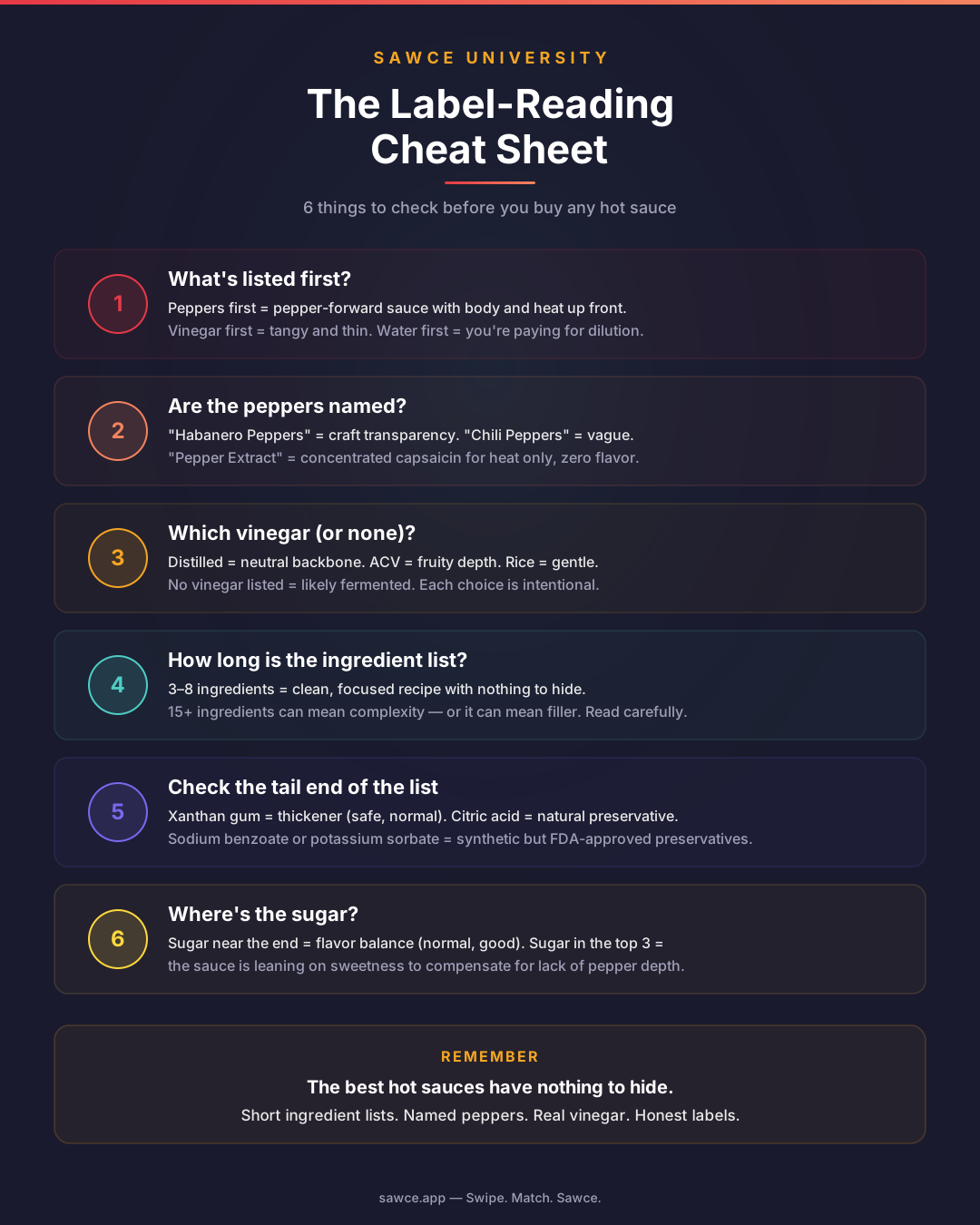
1. What’s listed first? Peppers first = pepper-forward. Vinegar first = tangy and thin. Water first = buyer beware.
2. Are peppers named or unnamed? Named varieties = craft quality. “Pepper extract” = heat-only, no flavor. “Natural flavors” = opacity.
3. Which vinegar (if any)? Distilled = neutral. ACV = fruity. Rice = gentle. None = fermented. Each tells a story.
4. How long is the ingredient list? 3 to 8 ingredients = clean, focused recipe. 15+ = could be great, but ask yourself why.
5. Check the tail end. Xanthan gum, citric acid, or salt at the end = standard. Sodium benzoate = not bad, just noted.
6. Where’s the sugar? Near the end = flavor balance. In the top 3 = sweetness compensating for weak peppers.
The best hot sauces have nothing to hide. Short ingredient lists. Named peppers. Real vinegar. Honest labels.
The Bottom Line
A hot sauce label is a contract between the maker and you. The best makers, the ones putting real peppers, real vinegar, and real intention into every batch, want you to read it. They’re proud of what’s inside. The ingredient list is where craft meets transparency, and the more you understand what you’re reading, the better your sauce game gets.
Not every long ingredient list is bad. Not every short one is good. But once you know the language (what ingredient order means, why vinegar type matters, what xanthan gum actually does, and why “pepper extract” is a fundamentally different product than “habanero peppers”), you’re no longer guessing. You’re choosing.
And that’s the whole point of Sawce. We believe in connecting you to sauces you’ll actually love, from makers who actually care. The label is where that relationship starts.
Now go flip some bottles over and read the back. You’ve earned it.